Events
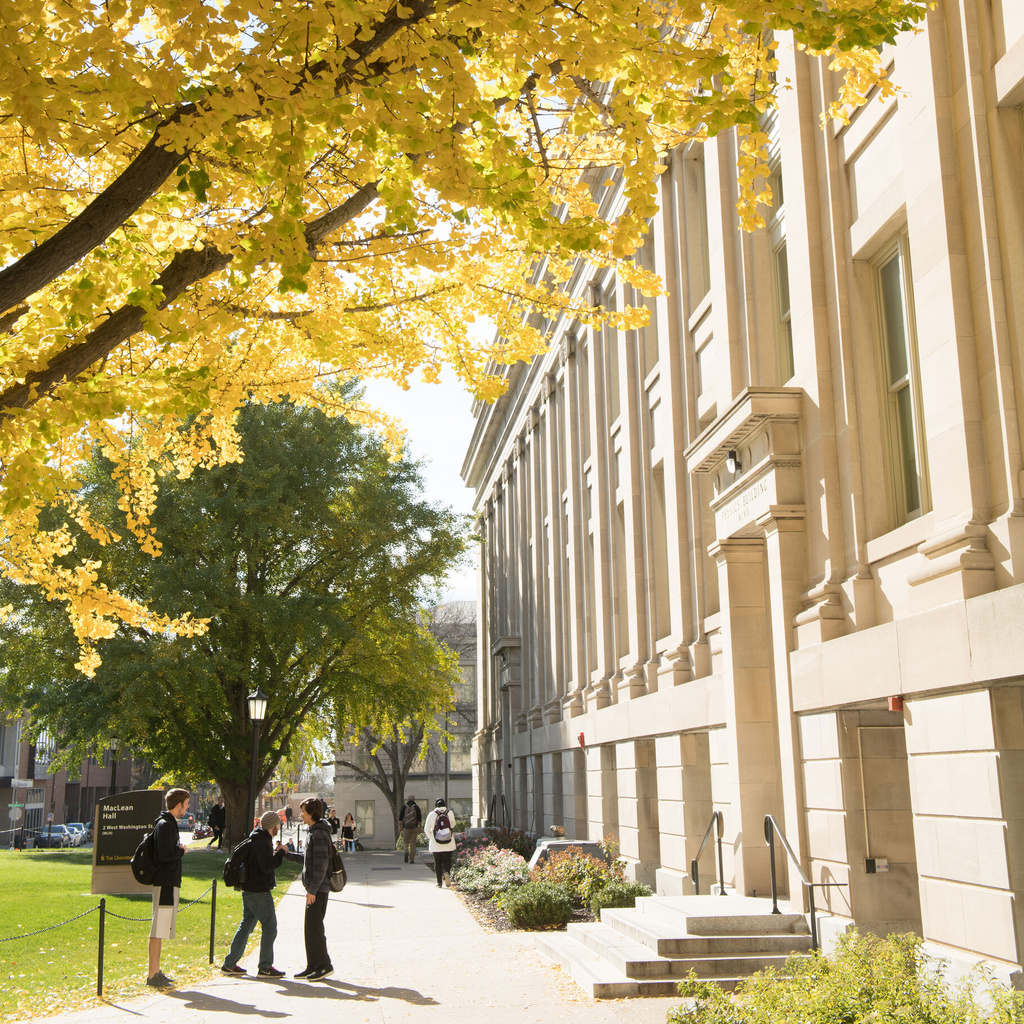
Computer Science Department Graduate School Information Session
Wednesday, October 7, 2026 6:30pm to 7:30pm
Learn more about the master's, PhD, and U2G programs offered by the Department of Computer Science, and the application process.

Math Bio Seminar - Garrett Young; University of Iowa Department of Mathematics
Monday, October 12, 2026 3:30pm
Representation Theory Seminar - Luis Gomez, Kevin Wang, and Yangbo Ye; University of Iowa Department of Mathematics
Tuesday, October 13, 2026 1:30pm to 2:20pm
Topics: Number theory by machine learning
Algebra Seminar - Shashank Singh; University of Iowa Department of Mathematics
Wednesday, October 14, 2026 3:30pm
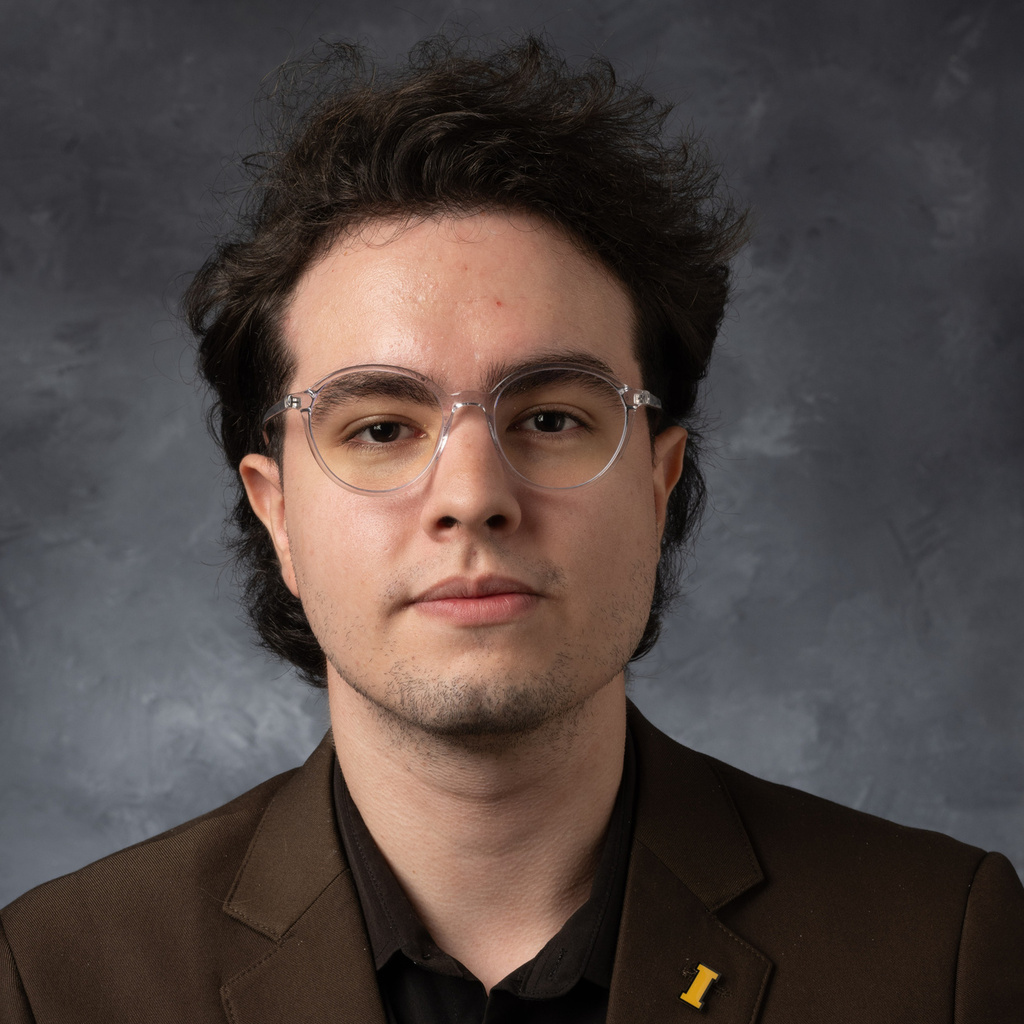
Joint Condensed Matter & Mathematical Physics Seminar - Vinicius Ferreira; Department of Physics & Astronomy, University of Iowa
Wednesday, October 14, 2026 4:00pm to 5:00pm
Joint Condensed Matter & Mathematical Physics Seminar
Computer Science Department Research Experience for Undergraduates Information Session
Wednesday, October 14, 2026 6:30pm to 7:30pm
Learn more about the Dept. of Computer Science Summer REU Program "Computing for Health and Well-being" funded by the National Science Foundation
AI and Literature Discovery
Thursday, October 15, 2026 12:00pm to 1:00pm
Build your scholarly toolkit with workshop on AI-powered literature discovery.
Math Bio Seminar - Liz Brass; University of Iowa Department of Mathematics
Monday, October 19, 2026 3:30pm
Graduate & Professional Students: Let's Do Lunch!
Tuesday, October 20, 2026 12:00pm to 1:00pm
Bring your academic interests to the table and engage with fellow graduate and professional students in a casual, supportive environment.
Representation Theory Seminar - Luis Gomez, Kevin Wang, and Yangbo Ye; University of Iowa Department of Mathematics
Tuesday, October 20, 2026 1:30pm to 2:20pm
Topics: Number theory by machine learning
Math Bio Seminar - Professor Jason Graham
Monday, October 26, 2026 3:30pm

Math Bio Seminar - Leon Tannenbaum; University of Iowa Department of Mathematics
Monday, November 2, 2026 3:30pm
Data Management
Thursday, November 5, 2026 12:00pm to 1:00pm
Build your scholarly toolkit with a workshop on research data management.
Math Bio Seminar - Professor Christina Athanasouli
Monday, November 9, 2026 3:30pm
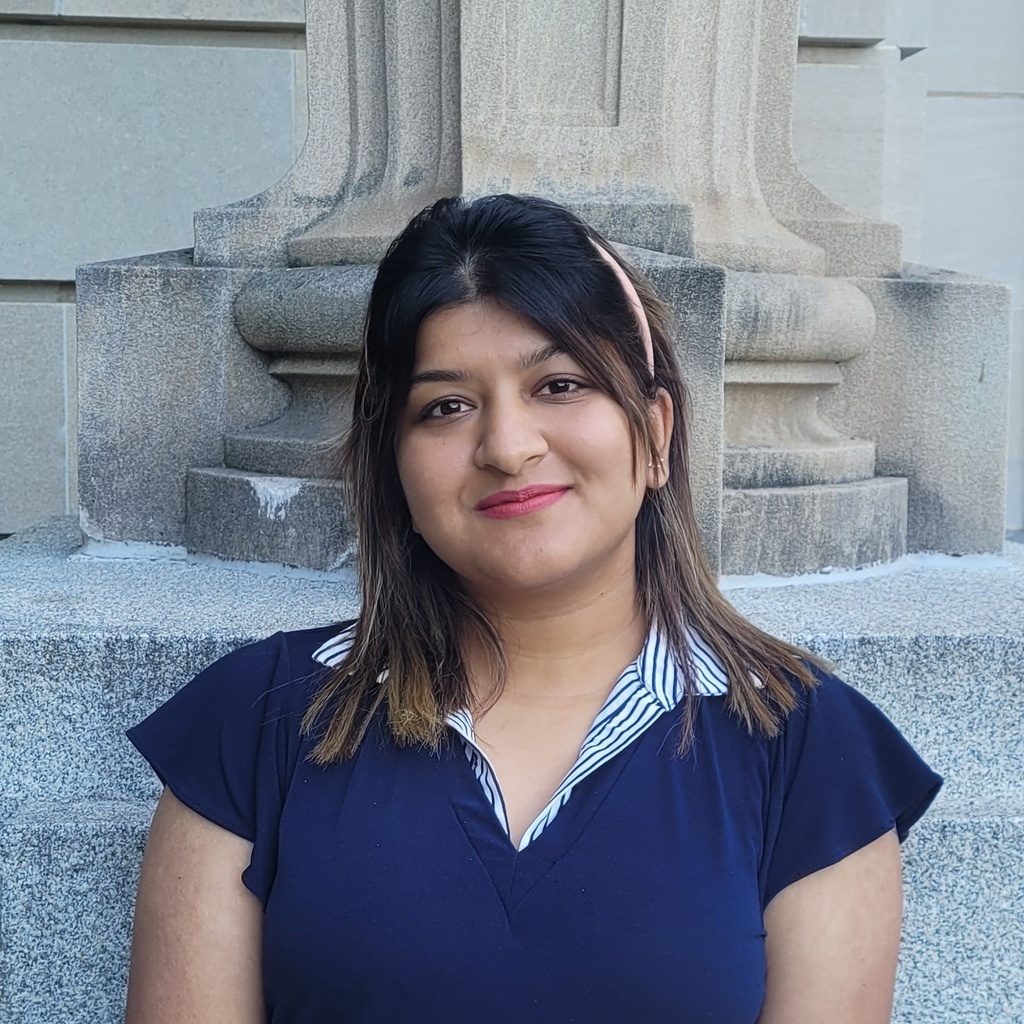
Math Bio Seminar - Nuzhat Nuari Khan Rivu; University of Iowa Department of Mathematics
Monday, November 16, 2026 3:30pm
Graduate & Professional Students: Let's Do Lunch!
Tuesday, November 17, 2026 12:00pm to 1:00pm
Bring your academic interests to the table and engage with fellow graduate and professional students in a casual, supportive environment.
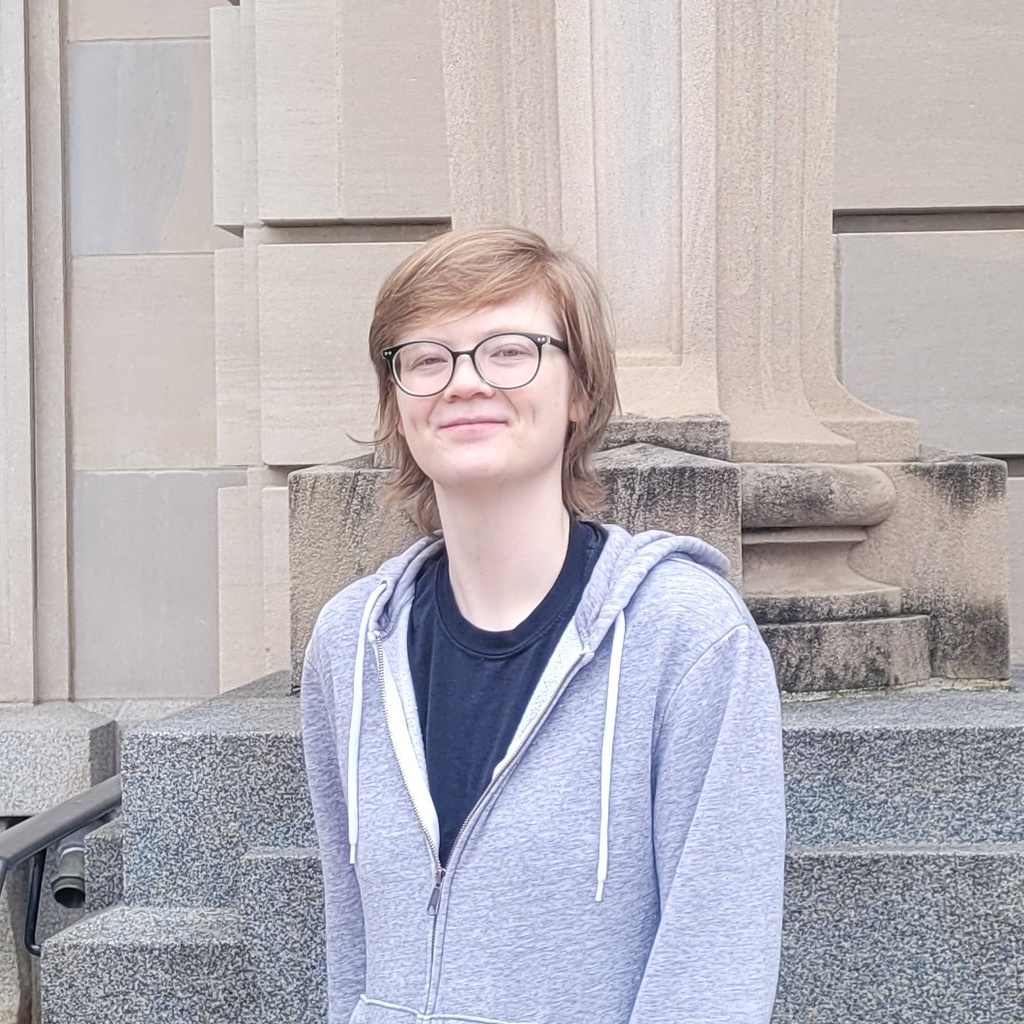
Math Bio Seminar - Evelyn Smith; University of Iowa Department of Mathematics
Monday, November 30, 2026 3:30pm
Math Bio Seminar - Sam Conrow & Soumika Saha; University of Iowa Department of Mathematics
Monday, December 7, 2026 3:30pm